The Street With Its Own Frequency: Seven Days of 6 Music, One Postcode
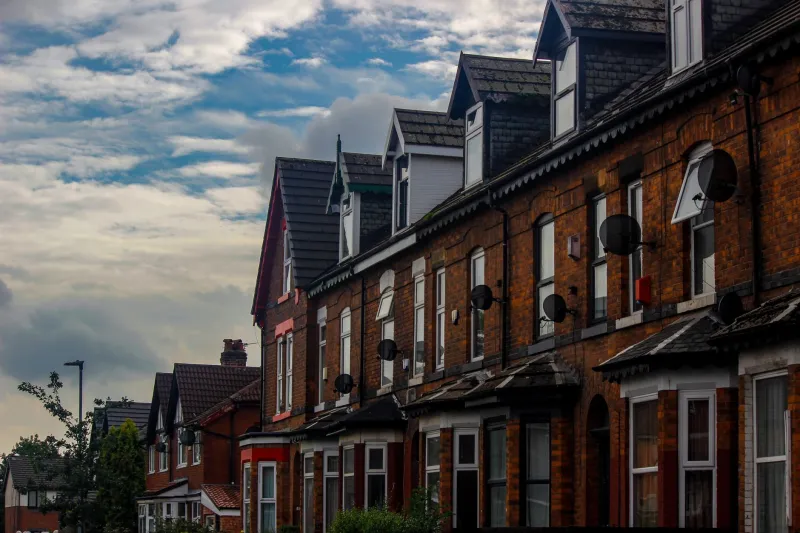
It began, as these things do, with a mild argument about bin day. Someone on our road complained that the street had gone quiet — not peaceful quiet, but the sort of quiet where nobody knows anyone's name and the only shared event is the recycling lorry. So we tried something small and slightly daft: for one week, every household that fancied it would leave 6 Music on. Not as background wallpaper. As a conversation starter. We kept a log. We wrote down who knocked, what they asked, which song stopped somebody mid-sentence, and whether they came back.
The point was not to convert the street into a fan club. The point was to test a simple campaign idea: saving 6 Music starts at the doorstep, not in Westminster. A petition signature is useful, but a road full of people who can say exactly what the station does for them is harder to wave away.
The rules: one road, one week, no manifesto
We picked a stretch of terraced houses, a corner shop, a bus stop and a primary school run — the sort of road that exists in every UK town and gets ignored by national campaigns until someone needs a photo opportunity. Twenty-three households said yes. Some were already listeners. Some thought 6 Music was a digital station for people with expensive headphones. One household admitted they mainly listened to commercial radio because the ads told them what to think.
The kit was deliberately low-tech: a printed sheet on the fridge, a pencil, and a WhatsApp group called “The Frequency.” We asked people to note three things — conversations started, new listeners won over, and moments when the radio made the street feel less like a set of separate front doors. No targets. No guilt. Nobody had to pretend to like a track they hated.
Day one: the corner shop asks what the racket is
By Monday lunchtime, the shop was asking questions. The owner had heard something spiky coming from number 14 while a delivery was being signed for, and wanted to know why the customer was humming along to a song about industrial estates. That is the thing about 6 Music: it does not sound like a station trying to be liked by everyone. It sounds like somebody chose it. That makes people curious.
The bus-stop crew got involved by Tuesday. A teenager waiting for the 47 heard a presenter talk about a Sheffield band and asked, with genuine surprise, whether the station played “new stuff that isn't just TikTok songs.” Two days later, she had added three tracks to her phone and told her mum to put the radio on in the kitchen.
Day three: the plumber stays for the chorus
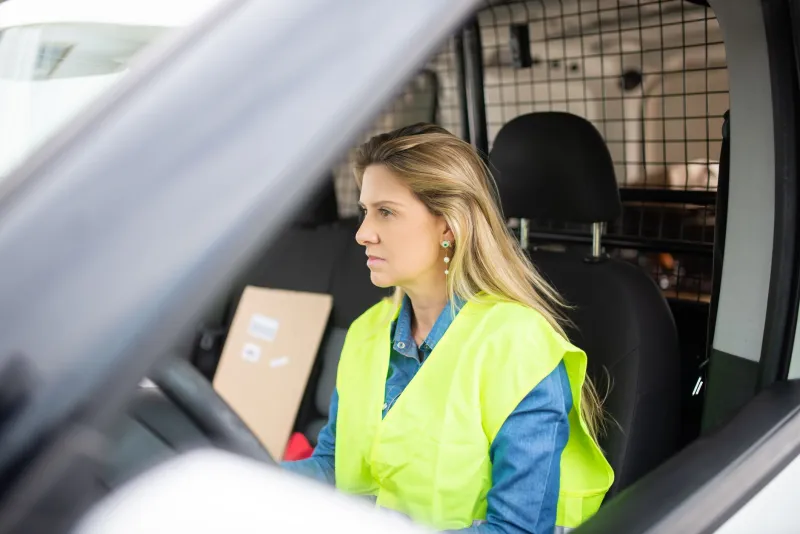
Wednesday was the turning point. A plumber arrived at number 6 to fix a boiler, heard a run of songs he hadn't expected, and stayed for a full chorus before going back under the sink. He came out forty minutes later asking what station it was. Not a new listener in the formal sense — he had heard of 6 Music but assumed it was “for musos.” By the time he left, he had it on in the van.
That is not a ratings point. It is better than a ratings point. It is a bloke with a van, a toolbox and a long drive ahead of him deciding that the radio is worth the effort. Multiply that by every road, every kitchen, every workshop and every shop floor, and you start to see why the campaign cannot be reduced to a spreadsheet.
The WhatsApp group becomes a request line
The group chat did what group chats do: it got messy, funny and occasionally very useful. Number 2 complained about a saxophone solo. Number 19 defended it with the passion of someone who had seen the band live in 2009. Number 8, who is 74 and refuses to use the phrase “modern music” without air quotes, asked for more of whatever was on after 10pm. By Friday, the chat had become a request line, a gig noticeboard and a way of checking whether anyone fancied putting the kettle on.
We logged 41 conversations across the week. Seven people said they had become regular listeners. Three said they had already been listening but had never told anyone because they assumed nobody else on the road cared. That last bit matters. The quiet listener is the campaign's secret weapon. They are everywhere. They just do not think they count.
By Friday, the street has a soundtrack and a spreadsheet
We are not pretending this was a scientific poll. It was one road, one week, and a pencil that kept getting lost. But the evidence is the kind that makes sense to an MP: named streets, real households, quotes you can read out loud. Not “the public supports 6 Music” — which sounds like a slogan — but “on our road, the corner shop now has it on, the bus stop has a new listener, and the plumber wants a sticker for the van.”
So we are sending a pack to the local MP and to the BBC. It includes the log sheets, anonymised quotes, photos of radios in windows, and a short covering letter asking a simple question: when you talk about the future of BBC radio, do you picture a London meeting room or a street like this one? We are also asking neighbours to bring the same idea to their own roads before the year is out. Not because one street changes everything, but because one street is how everything changes.
The point isn't conversion, it's connection
By Sunday evening, the experiment had done something we did not quite expect. It made the street noisier. Not in an aggressive way — just alive. People knocked for the loan of a cable and stayed for a chat. The shop put a hand-written sign in the window: “6 Music on request.” The WhatsApp group is still going. Someone has already suggested a fortnight next time.
Saving 6 Music will not be won by a single clever article or a single angry email. It will be won by hundreds of small, visible blocs of listeners who can explain what the station means in the place they actually live. A road. A postcode. A frequency. Start with your own front door, keep a log, and make a proper din. The BBC and your MP can ignore a mood. They have a much harder time ignoring a street with its own soundtrack.