Small Rooms, Big Noise: The 6 Music Sessions That Win the Argument a Ratings Graph Never Will
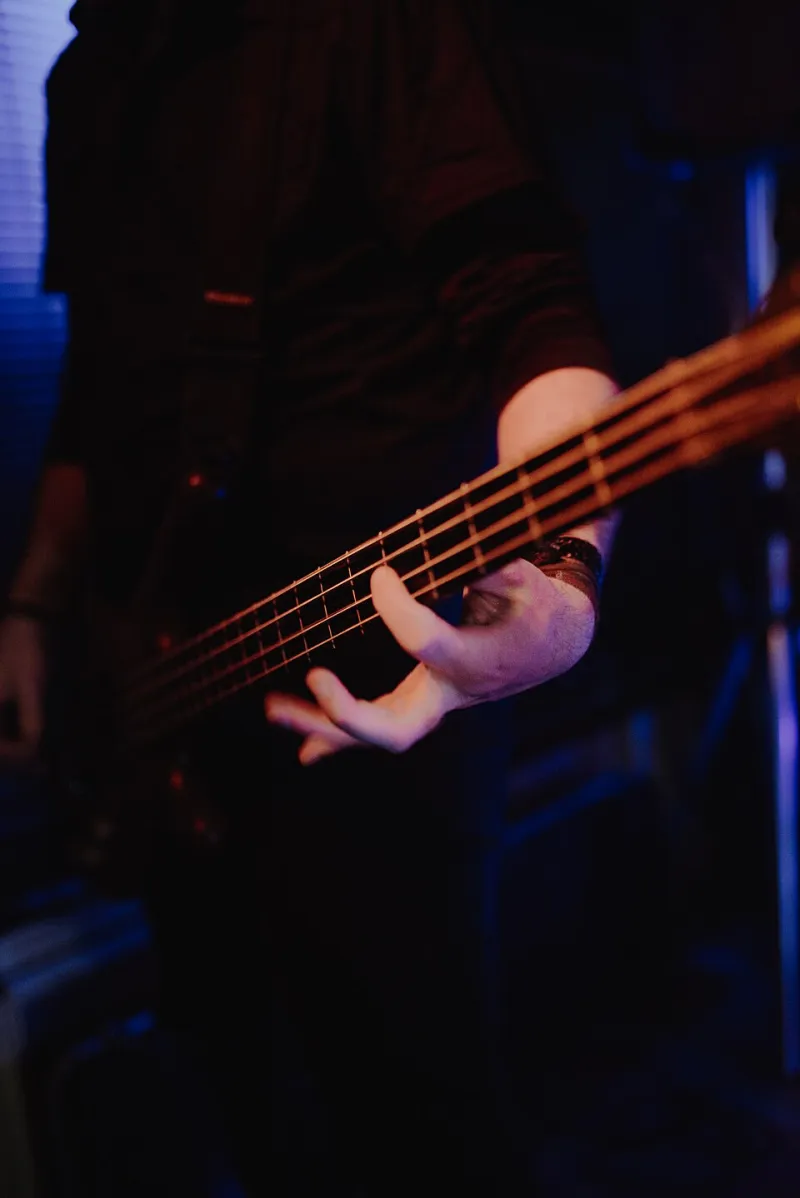
Photo: Shixart1985, CC BY 2.0, via Wikimedia Commons
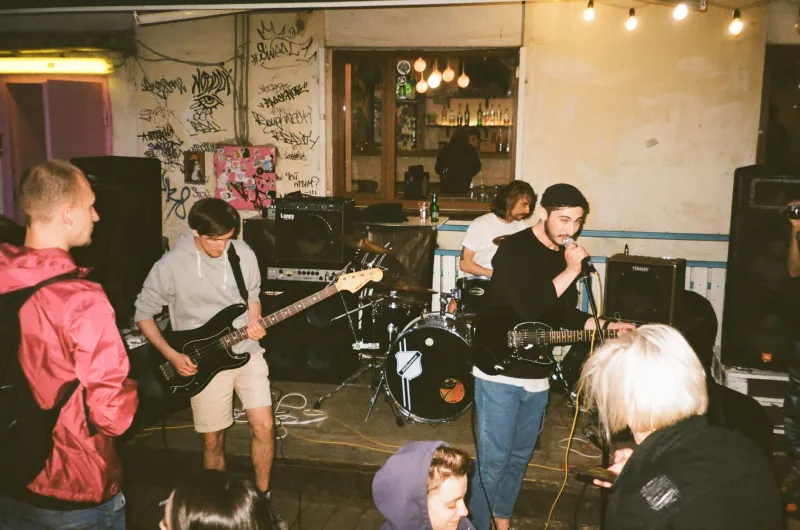
There's a particular noise a band makes when it's playing to thirty people and a desk instead of a ticket barrier. It's tighter and nervier and slightly too loud. You can hear the room breathing. If you've spent any time with 6 Music, you know the sound I mean — and you probably remember exactly where you were when you first heard it.
That's the thing about the station's live sessions. They don't turn up in the headline audience numbers. They don't get bundled into a slide about reach or share. But ask a listener why they'd chain themselves to the transmitter for this station and nine times out of ten they won't quote a figure at you. They'll tell you about a version of a song they've never found anywhere else.
The hour that doesn't fit the spreadsheet
A live session is deliberately inefficient. It costs studio time, engineering hours, and a slot that could have been filled with something cheaper. Nobody commissions one because it'll shift the dial. They commission it because a song played live in a small room does something a playlist never can: it dates the moment. It says this happened, once, and you were part of it.
And that's precisely why it's such awkward evidence for anyone arguing the station is a luxury. You can't replicate it at scale. You can't algorithm your way to a take where the vocal cracks because the singer's been on a tour bus for six weeks. You can't outsource the bit where the bass player looks genuinely surprised the thing worked.
Sessions are the part of 6 Music that most obviously belongs to the public rather than the market. Which makes them the part most worth defending out loud.
What a session actually does for a band
Here's the bit the campaign should shout about more. A playlist add gets you heard. A live session gets you believed.
For an artist still building, a 6 Music session is a credential. It's the difference between a promoter saying 'they've got a bit of radio play' and a promoter saying 'they did a session, the room sold out in a week'. It converts a passive listener into a person who'll buy a ticket, a shirt, a twelve-inch with a slightly questionable sleeve design.
Ask anyone who's run a small venue and they'll tell you the same thing: a session lands like a local news story. People who'd never heard of the band suddenly have a reason to take a punt on a Tuesday. And because these sessions so often go to artists before the national press has caught up, 6 Music ends up doing the unglamorous, unprofitable early work that the rest of the industry quietly benefits from later.
That's not nostalgia. That's infrastructure.
The memories people keep in their pockets
When we asked listeners for their session moments, the answers weren't the grand ones. Nobody cited a stadium broadcast. They cited small things.
There's the Leeds care worker who remembers driving home at 2am after a shift and hearing a stripped-back acoustic take that made her pull over. The Glasgow student who taped a session off the radio onto a cassette she still keeps in a shoebox, despite having nothing to play it on. The Bristol dad who says his daughter's first proper sentence was an approximation of a chorus she'd heard in the car on the way to nursery.
None of these are measurable. All of them are the actual product. A public broadcaster's job isn't only to serve the biggest possible audience on any given evening — it's to make room for the moments that wouldn't survive if everything had to justify itself commercially. Sessions are that principle made audible.
And here's the quiet advantage for our side of the argument: these stories are specific. They have names, towns, times, songs. They're very hard to wave away.
Why this beats a graph in a consultation
When the licence fee conversation comes round again — and it always does — the temptation is to turn up with numbers. Audience figures, reach, value-for-money charts. Fine, bring them. But the people reading consultation responses have seen a thousand graphs. What they rarely see is a clear, human account of what would be lost.
A well-written paragraph about a session that changed how you listen does something a statistic can't. It demonstrates public value in the only way that really lands: by showing that the service has done something in a life.
So make the argument concrete. Don't say the station is 'important to music'. Say which session, which artist, which road you were on.
Three things to do this month
- Write down one session. Not the whole history — one. The artist, roughly when, what it did to you, and where you were. Two hundred words is plenty. Keep it somewhere you'll find it again.
- Name the knock-on effect. Did you buy a ticket? Buy the record? Drag a mate along to a gig? That chain — radio to room to till — is the argument that cuts through.
- Put it in front of someone. When the next consultation opens, paste your story into the free-text box rather than leaving it blank. Copy your MP if you're feeling lively. Send it to us and we'll add it to the pile.
The take that only happened once
There's a reason people still trade these sessions like contraband, hunting down grainy uploads and half-remembered tracklistings. It's the same reason the campaign exists. Some things are worth keeping not because they're efficient, but because they're irreplaceable.
A ratings figure tells you how many people were in the room. A session tells you why the room was worth having. If you've got one of those stories, stop keeping it to yourself — the argument needs it more than your shoebox does.