The Tuesday Night Turnaround: What One 6 Music Play Does to a Small Venue's Ledger
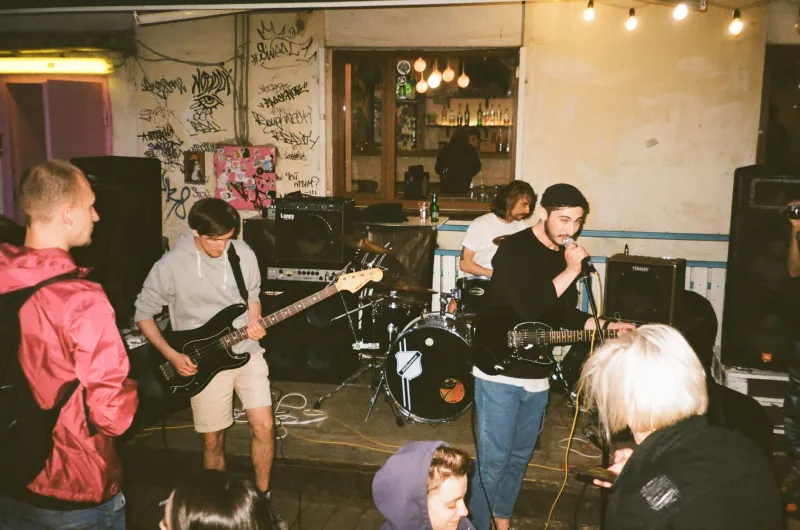
There is a version of the music industry that lives in spreadsheets: streams, playlist adds, monthly listeners. Then there is the version that lives above a pub on a wet Tuesday in Leeds, where the promoter is doing sums on the back of a setlist and the sound engineer is wondering whether the bar will take enough to cover the extra hour.
BBC 6 Music belongs to both worlds. We usually defend it in terms of taste, discovery and the strange, human pleasure of hearing somebody choose a record for you. But there is a harder-edged argument, too, and it is being made every week in small venues across the UK. A single play on 6 Music can turn into ticket sales. Ticket sales turn into bar takings. Bar takings turn into wages, rent and another booking. The ripple is small, local and fragile. It is also exactly the kind of infrastructure that gets ignored until it is gone.
The Tuesday bump is not a myth
Ask a grassroots promoter what airplay does and you will not get a marketing presentation. You will get a list of small, specific things. A message from someone who heard the track on the drive home. A support act asking if they can bring a few more people. A venue manager checking whether the upstairs room can open the balcony. A bar order that includes food.
In Leeds, one promoter who runs midweek shows in a 180-cap room describes what she calls the Tuesday bump. A track from a band she had booked months earlier got spun on a weekday evening show. By Tuesday lunchtime, forty tickets had gone. Not forty thousand. Forty. But in a room that was sitting at sixty sales, forty is the difference between a nervy night and a night that works.
'You can feel it in the group chats before you see it in the sales report,' she says. 'People send the same screenshot. Then they ask if there are tickets left. Then they ask who else is on. That last bit matters. They are not just coming for one song. They are coming into the ecosystem.'
The maths is brutally simple
A small venue's week is a stack of fixed costs. Rent. Utilities. Staff. PRS. Insurance. The heating that has to be on whether the room is full or not. A promoter's fee. A sound engineer. Maybe a lighting tech. Maybe a door person. The margin is thin enough that forty extra tickets can move a night from loss to break-even. It can also move a week.
In Glasgow, a venue owner with a 220-cap room puts it in pub terms. 'Forty tickets is forty people. If half of them buy a drink before the support act and half buy one after, that is a decent night at the bar. If ten of them buy a round for friends, that is a very decent night. You are not talking about a windfall. You are talking about being able to pay the staff properly.'
He says 6 Music matters because it still behaves like a broadcaster with a local ear, even when it is national. 'A play does not just say this band is good. It says this band is part of a conversation. People trust that. They will take a chance on a Tuesday in Glasgow because they heard it on the radio and they want to be in the room when it happens.'
Bristol and the de-risking effect
In Bristol, a promoter who programmes shows in a 120-cap space talks about airplay as de-risking. Not in the bloodless language of investment. In the practical language of being able to confirm a support act, pay a deposit, and print posters without wondering if the whole thing is a vanity project.
'If a track gets a spin, I can go back to the agent and say there is momentum,' she says. 'It does not guarantee a sell-out. Nothing does. But it gives me a story. It gives the venue a reason to give me the room on a Friday. It gives the band a reason to bring merch. And the merch table is where a lot of touring acts actually make their money.'
She mentions the second drink, the extra hour of bar staff, the friend who comes along because someone sent them a radio clip. 'It is not glamorous. It is the difference between a night that feels possible and a night that feels like a gamble.'
The part nobody puts on the poster
Here is the uncomfortable bit. The ripple only works if the radio station is allowed to keep making those choices. If 6 Music is folded into a narrower playlist, or asked to justify itself purely on reach, or treated as a nice-to-have in a crowded budget, the Tuesday bump gets smaller. The venue does not immediately close. The promoter does not immediately quit. But the margin gets thinner, and thinner margins make people cautious. Cautious promoters book safer acts. Safer acts mean fewer chances for the weird, brilliant, unproven bands that need a room and a DJ who is willing to take a punt.
That is why the campaign to save 6 Music is not just a campaign about radio. It is a campaign about the pipeline. The station is one of the few national platforms that can make a small room feel like it is part of something bigger. It can send forty people to Leeds on a Tuesday. It can make a Glasgow bar take a chance on a Scottish act. It can give a Bristol promoter the confidence to put on a bill that does not look like a spreadsheet.
What actually happens after the needle drops
The play is the start, not the end. The real work happens in the messages, the ticket links, the bar orders, the merch sales and the word of mouth that carries a band from one small room to the next. 6 Music is not the only thing holding that together. But it is one of the most useful things we have.
So when the next round of arguments about the BBC comes around in 2026, do not let the value of 6 Music be reduced to listening figures alone. Ask what it does for the 180-cap room in Leeds. Ask what it does for the bar staff in Glasgow. Ask what it does for the promoter in Bristol who is trying to make a Tuesday night add up.
Then do the small, practical thing. Request a track. Buy a ticket. Tell the venue you are there because you heard it on the radio. And if you want to keep that signal alive, add your name to the Save 6 Music campaign. One play can be forty tickets. Forty tickets can be a week. A week can be a scene.