Six Rounds and a Sign-Up Sheet: The Quiz Night Doing the Legwork for 6 Music
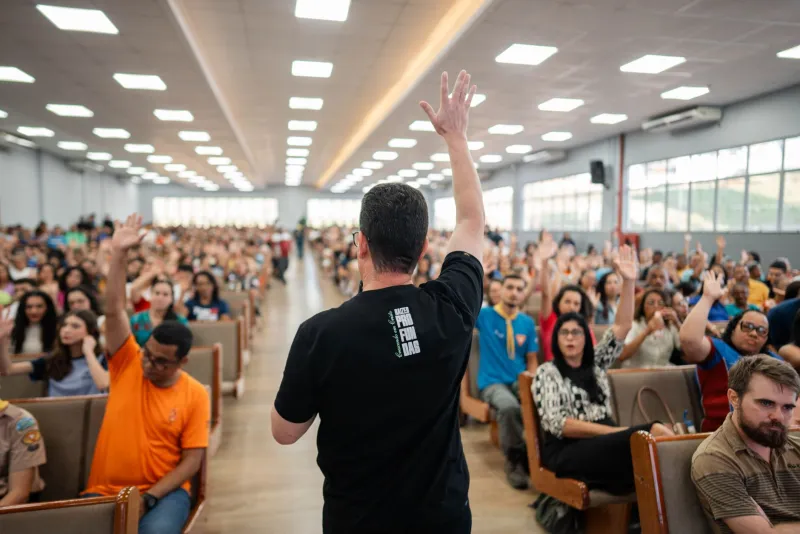
There is a very specific noise a pub makes when a quizmaster drops the first four bars of a song and forty people shout the answer at once. It is not a dignified noise. It is, however, the sound of a campaign that is quietly working.
The bit where nobody signs anything
Here is the problem with most campaign tactics: they ask for something before they have given you anything. Sign this. Respond to this consultation. Fill in this form with your postcode and your thoughts on public service broadcasting. All worthy. All absolutely necessary. All a very big ask for someone who has popped out for a pint and a bit of company.
So the quiz night flips it. You turn up, you drink something, you argue about whether that guitar sound is Manic Street Preachers or Suede, and you go home having had a nice time. Somewhere in the middle of that, you have spent two hours being loudly, cheerfully reminded of exactly what 6 Music does that nothing else in your radio dial does.
That is the whole trick. Nobody is being lectured. They are being asked to remember.
Why the back room beats the ballot box
A petition is a number. A quiz night is a room. And a room full of people who can name a John Peel session from 1998, or who can hum the bassline from a track they heard once at 1am on a Tuesday, is a far more awkward thing for a decision-maker to wave away than a spreadsheet.
The argument for the station usually gets made in the language of policy: distinctiveness, public value, market failure, reach. Fine. Necessary, even. But there is a version of the same argument that runs: forty people in a Chorlton back room, and eleven of them only know this band because somebody at Salford chose to play it.
That is distinctiveness measured in raised hands.
So how do you actually put one on?
Find the right room
You want a back room, a landlord who will give you a Tuesday or a Wednesday, and a PA that does not sound like a bin bag in a wind tunnel. Midweek is the golden window: those are dead nights, landlords want footfall, and you will get the room for nothing if you promise to bring thirty people who will all buy a drink.
Sort the licensing before you sort the questions
If recorded music is being played in a public premises, the venue needs TheMusicLicence (that is the PRS for Music and PPL joint thing). Most pubs already have it — ask, don't assume. Do not be the reason a landlord gets a stiff letter. Also worth knowing: if you are only playing clips for a quiz, keep them short and keep it clearly presented as a quiz, not a disco.
Keep the format tight
Six rounds, forty-five minutes, then a break. Teams of no more than six. Two or three quid a head to enter — winner takes a chunk, the rest covers printing and maybe a donation to a local music charity. Nobody has ever complained about this arrangement.
Steal these rounds
- Five-second intro. Self-explanatory, endlessly cruel, always the most argued-over round.
- Session or studio. Which version is the one they did in the Live Lounge?
- Who said it. Pull quotes from presenter interviews. Harder than it sounds.
- Your city's bands. Local scene round. This one is the recruitment tool — half the room will bring a friend who knows the answers.
- News from the year the album came out. Music plus headlines. Gets the non-music obsessives involved.
The no-wrong-answers mechanic
This is the bit that makes it a campaign night rather than a quiz night.
Any team can challenge an answer. If the challenge is decent — a half-remembered fact, a B-side, a correct spelling of a name nobody else could spell — they get the point. It does two things. It removes the miserable silence when a table gets stuffed in round two. And it makes people talk to each other, loudly, about music, in public, for two hours.
Then there is the wildcard round. Each team brings one fact — about the station, a presenter, a session, a band, a night at a venue that no longer exists — and the best one wins a point. This is where the whole thing lives. You will hear things you did not know about a station you thought you knew.
The sign-up sheet that doesn't look like a sign-up sheet
Do not put a petition by the door. Nobody wants to be asked for something on the way in.
Put a clipboard out at the end, next to the raffle, and frame it as: put your email down if you want to hear about the next one. That is all. Then the follow-up does the work — a thank-you, a date for round two, and one line at the bottom linking to whatever the live campaign asks are that month. One line. Not a sermon.
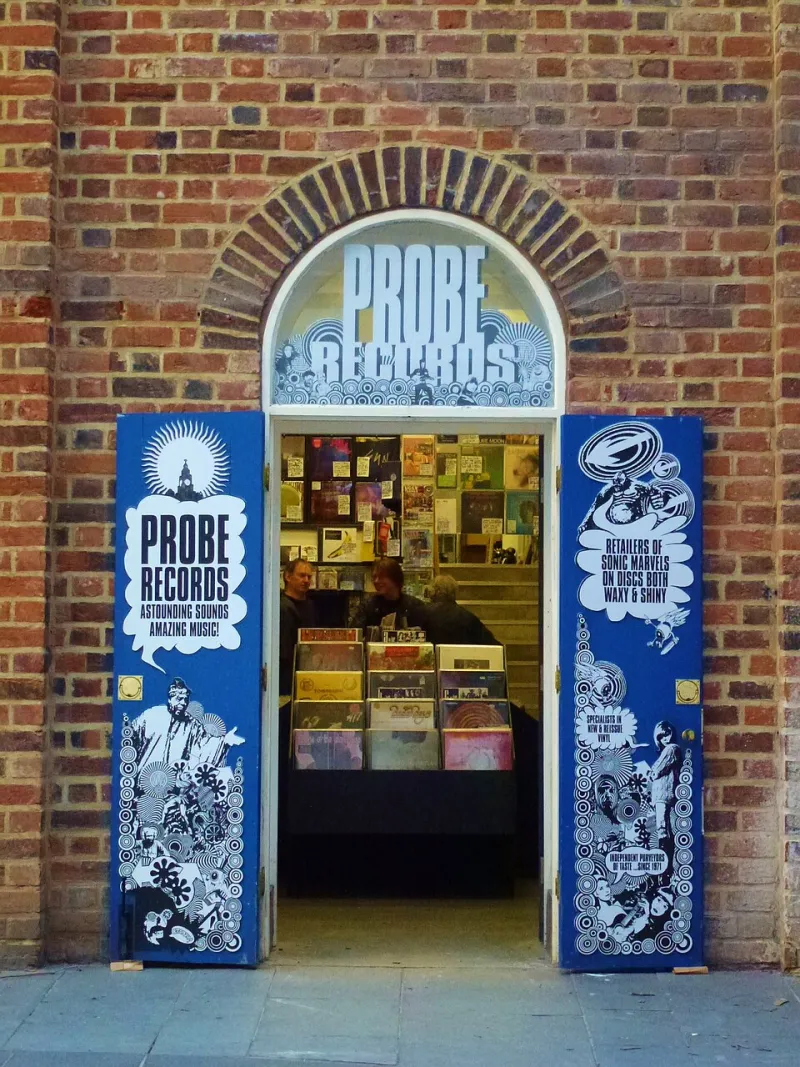
By the third quiz, half the room is on the list, a quarter of them have written to somebody, and the local record shop has asked if it can host a listening night.
The sociable argument
There is a version of the fight to keep alternative radio loud that happens in meeting rooms, and there is a version that happens over a bag of pork scratchings in a pub in Swansea. Both matter. Only one of them is fun.
So: book the room, print the sheets, ask the landlord about the licence, and put the date out. Then tell us about it — we want to map every quiz night in the country before this year is out.
Round one starts in ten seconds.