Your Barber Knows the Tracklist: The High Street That Runs on 6 Music
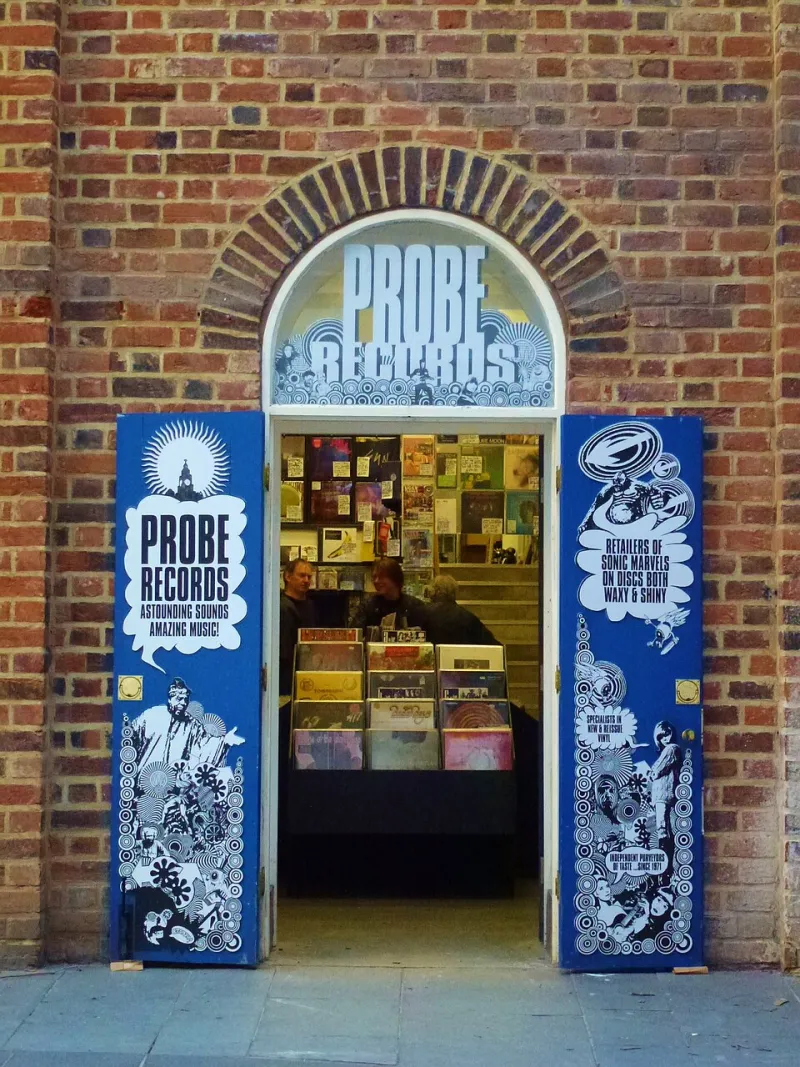
Photo: Radarsmum67, CC BY 2.0, via Wikimedia Commons
It is twenty to ten on a Saturday and the café on a suburban high street is already full. The coffee machine is doing its thing, someone is arguing gently about a flat white, and from a speaker behind the counter a presenter is talking about a bassline. Nobody is obviously listening. Everybody is slightly listening. When the track drops, two people look up at the same time.
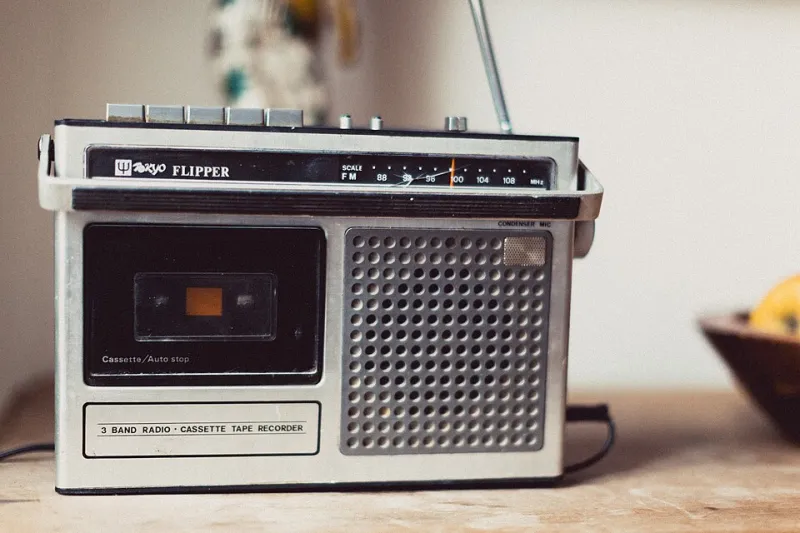
This is where 6 Music actually lives for most of us - not in a hi-fi, but in the background of the everyday. The barber's. The record shop. The small venue sweeping up from the night before. The independent places that give a high street its texture, and which have quietly made a BBC station part of their interior design.
The default soundtrack of a decent shop
Spend a morning asking owners what they put on and the answers have a pattern. Streaming playlists get skipped, get repetitive, or get weird at the wrong moment. Commercial radio talks over the end of the song and fills the room with adverts for things nobody in the shop is going to buy. 6 Music sits in the sweet spot: it is varied enough not to bore the staff, curated enough to feel like a choice, and quiet enough between the records to allow a conversation.
'It's the only thing we don't have to think about,' says Ruth, who runs a café in Chorlton. 'We put it on at seven and it works at seven and it still works at four. If I'm on a playlist I'm scrolling it every twenty minutes and ignoring customers.'
That is the unglamorous truth of it. Human-curated radio is a labour-saving device for small businesses. Somebody else has done the sequencing so the person behind the counter can get on with the flat whites.
'People ask what we're playing'
There is a second effect, and it is the one worth photographing for the campaign. The station produces conversation.
A record shop in Hebden Bridge keeps a notepad by the till for people who lean over and ask what the last track was. The owner reckons half of those enquiries end in a sale, and the other half end in a chat that brings the customer back a fortnight later. A barber in Bristol's Gloucester Road says the radio is the third chair in the shop: 'You get a bloke in who hasn't spoken to anyone all week and he leaves talking about a band. That's the radio doing the work.'
A small venue in Sheffield that programmes gigs on a Thursday has a bartender who builds the pre-gig playlist by simply noting down what she heard on the drive in. Regulars have started asking her what the week's discovery is. Nobody planned a listening community. It grew around the speaker.
From the record shop to the venue: an ecosystem
Follow the thread and the local economy starts to look connected to the schedule. Presenters champion a new artist in the afternoon. Somebody in a shop hears it, plays it again, sells the seven-inch. The band gets a small venue booking because the promoter heard them on a late show. The café on the corner has a busier Saturday because there is something worth walking into town for.
None of that shows up in a spreadsheet of listening figures. It shows up in footfall, in conversations, in the slightly scruffy ecosystem of independent Britain that does not need a marketing budget so much as a decent soundtrack and a reason for people to leave the house.
'We don't have a big PR machine,' one promoter told us. 'We have a radio station that plays our bands and a street full of people who trust it.'
What the silence would sound like
It is worth being honest about the alternative, because campaigns that only celebrate tend to lose. If the station's presenter-led output were trimmed back - fewer live hours, tighter rotations, more automation filling the gaps - the shops would notice within a week. The variety would flatten. The surprise would go. The notepad by the till would stop filling up.
Owners would reach for a streaming account, and licensing costs for playing music in a public space mean many already do. The result is the same twelve songs in every café on the street, in the same order, for everyone. A high street that sounds identical from door to door is a high street with less reason to walk down it.
And the cost of that isn't just cultural. It is measured in the till, in the rent, in the number of shutters that stay down.
Put your shop in the frame
This is where you come in, and it is genuinely easy. We are building a gallery of the places where 6 Music is the house band - and we want yours in it.
What we need:
- A photo of the speaker, the counter, the shopfront, the window poster - whatever tells the story at a glance.
- The name of the business, the town, and one line about what the station means to the place.
- If you are a regular rather than an owner, send us the shop instead. 'This is where I heard it first' is exactly the kind of testimonial that carries weight.
Send them to us via save6music.com, tag us when you post, and stick something in your window if you have one. We will be using the best of them when we make the case to decision-makers that this is not a niche hobby for a few thousand obsessives. It is the background music of ordinary working Britain, and it is playing in about forty shops on your street right now.
The high street sounds better with a human on the desk
Keep the presenters. Keep the strange left turn at ten in the morning. Keep the thing that makes a barber shop feel like a place rather than a queue.
If your local still has 6 Music on, tell us about it - and then tell whoever owns the building, because the campaign is only as loud as the people who turn it up.