Shift Change: The All-Day Listeners the Campaign Keeps Forgetting
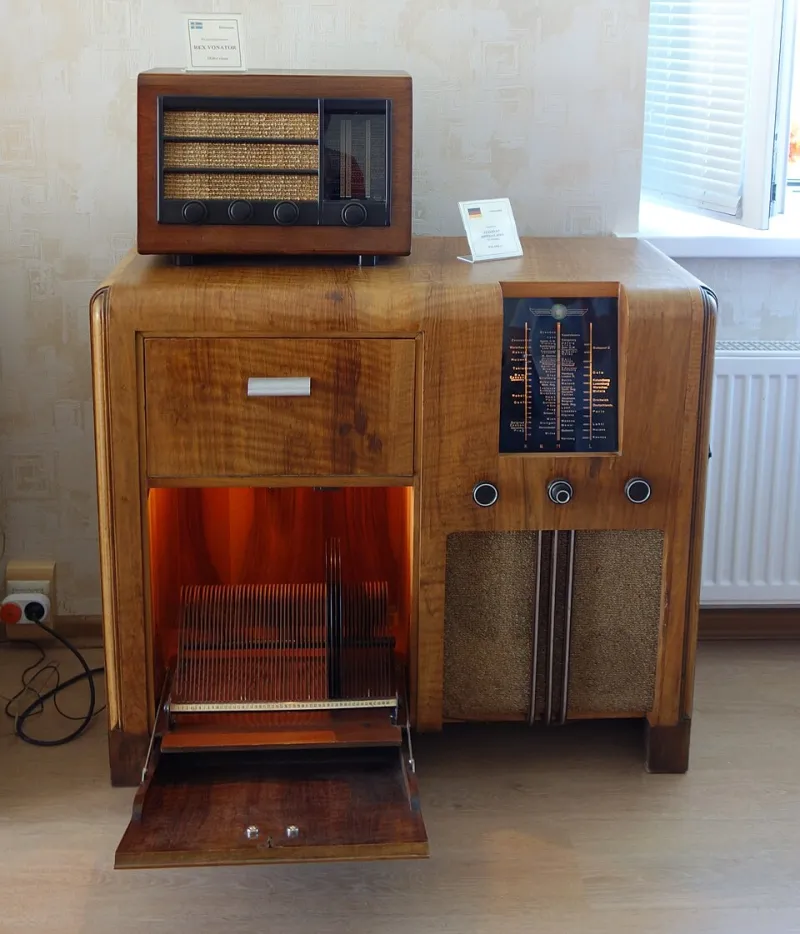
Photo: Serge Zykov, CC BY-SA 2.0, via Wikimedia Commons
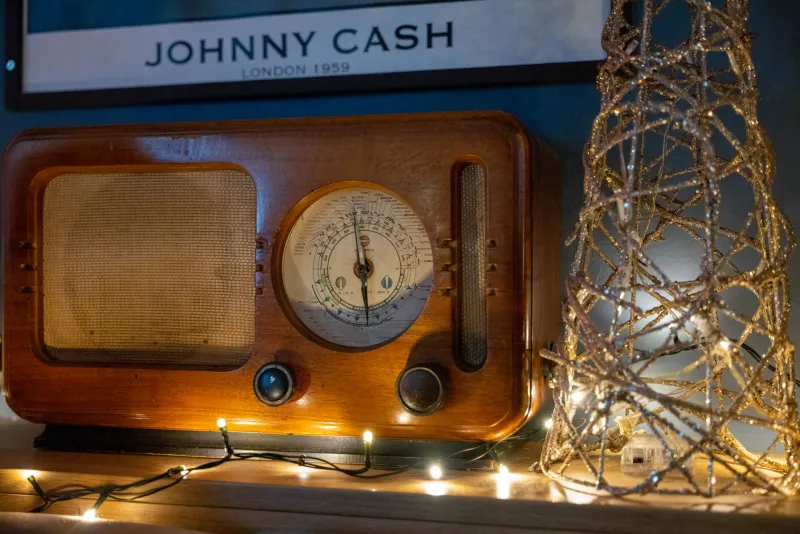
The shutters go up at ten past seven. The kettle goes on at twenty past. And somewhere between the two, a small radio above the parts counter in a garage off Kirkstall Road gets switched on and doesn't get touched again until closing.
That's the whole ritual. No app, no scrolling, no skipping. Just a station, a workshop, and eight and a half hours of somebody else's choices in the background.
We spend a lot of campaign energy on the listener who chooses 6 Music — the one who texts the show, buys the gig ticket, writes to the MP. Fair enough. But there's a quieter constituency underneath all that, and it's enormous: the people who don't so much listen to 6 Music as work inside it.
The handover nobody talks about
Ask a campaigner to picture a 6 Music listener and you'll usually get someone with headphones on a train, or a phone propped against a saucepan. Real, both of them. But neither captures the scale of what happens when a station becomes part of a building's routine rather than a person's commute.
In Leeds, the garage radio is set to 6 and the mechanics have stopped discussing it. It's simply the temperature of the room. In a salon in Cardiff, the same — three chairs, one Bluetooth speaker, a running negotiation about volume that nobody ever actually has out loud. In a charity shop in Norwich, the volunteers take turns choosing between two stations and 6 wins most weeks because, as the manager puts it, 'nobody has to explain it to the new volunteer on a Saturday'.
That's not passive listening. That's a station being load-bearing.
What a full shift actually sounds like
Here's what gets missed when we only count the deliberate, engaged, headphones-on listener: the sheer volume of hours.
A commuter might give 6 Music fifty minutes a day, twice. A shop floor gives it nine hours. A kitchen in a café in Sheffield gives it from prep to close. Multiply that across the hundreds of thousands of UK workplaces where a radio is on before anyone thinks to ask what's on it, and you get an audience that dwarfs the one we usually picture — and which almost never shows up in a listener story, a petition signature, or a consultation response.
Why? Because turning the radio on isn't an act of advocacy. It's just opening up.
There's something else, too. The all-day listener hears the station in a way nobody else does: the seams. The link between the 11am track and the 3pm one. The way a presenter's mood shifts across a shift. The station sound doing its quiet work at the points where a Spotify playlist would simply stop caring. Ask anyone who's worked a full day with 6 Music on and they'll tell you the day has a shape, and the station gives it that shape.
Four rooms, one frequency
We asked around — and the pattern was almost boringly consistent.
- The garage. Radio on at open, off at close. Nobody can name a presenter's full schedule, but everybody knows which slot means it's nearly lunch.
- The salon. Client-facing, so the music has to be interesting without being a话题 — sorry, without becoming a talking point nobody asked for. 6 Music clears that bar more reliably than anything else on the dial.
- The café kitchen. Headphones are a hygiene problem, so the radio is the only culture in the room. One chef in Glasgow described it as 'the only thing in this kitchen that isn't shouting'.
- The charity shop. Mixed ages, mixed tastes, volunteers who change weekly. A station that can be handed over without a briefing is worth its weight in donations.
Four very different workplaces, one shared conclusion: the value isn't in any single song. It's in the fact that nobody has to manage it.
Why the numbers keep missing them
Audience measurement has got better at catching on-demand and online listening, but the workplace dial is a stubborn blind spot. It's shared, it's often unattributed, it's on a set that might be ten years old, and it belongs to whoever owns the building rather than whoever's listening.
So when the case for 6 Music gets made — to politicians, to funders, to anyone who needs persuading — the strongest evidence in the country is sitting in a thousand back rooms, unrecorded, because nobody thought a radio above a parts counter counted as a data point.
It does. It absolutely does. But only if someone writes it down.
The workday log: your ten minutes of evidence
Here's the ask, and it's small. We want working listeners to document one ordinary day. Not a special one. A Tuesday.
- Note the basics. Your workplace, your town, roughly how many people share the room.
- Log the switch-on and switch-off times. The honest ones — including the ten minutes when someone puts the football on.
- Jot down three moments. A track that stopped a conversation, a link that made someone laugh, a bit of station sound that filled a silence better than silence would have.
- Ask one colleague. Just one: would they notice if it went off? Their answer is the whole argument in miniature.
- Post it. Tag it, share it, or send it to us. Photos of the radio itself are especially welcome — the dustier the better.
Do that, and a spare fifteen minutes of your shift becomes part of the campaign's paper trail for 2026. Do it across enough garages, salons, kitchens and shops and the picture stops being anecdotal.
Before you clock off
We are not asking anyone to become a campaigner on their lunch break. The point is the opposite: you're already doing the thing. The radio is already on. The only missing step is telling somebody.
Sixteen years after the last big fight over this station, the argument has moved on — but the evidence base hasn't caught up with the reality of how people actually listen. That gap is where a campaign can be lost quietly, in a room where the radio is on and nobody's counting.
So count. One shift, one log, one photo of a radio held together with tape. Send it in, and let's make the back-room dial impossible to ignore.
Save 6 Music — keeping alternative radio loud, live and on air.