The Pint-Sized Broadcasting House: How 6 Music Listening Clubs Are Filling Back Rooms

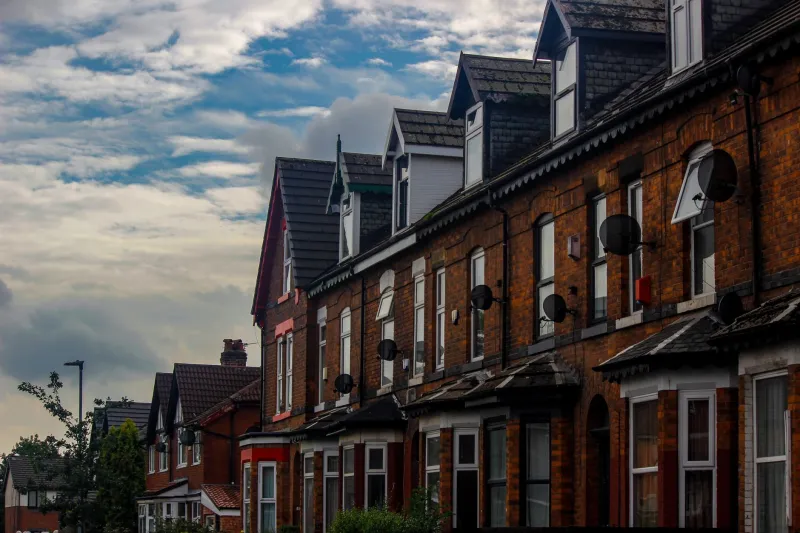
Photo: Jerónimo Roure, CC BY-SA 4.0, via Wikimedia Commons
There is a particular sound that comes out of a good back room when a dozen people are listening to the same radio show together. It is not silence. It is the tiny creak of chairs as everyone leans in, the odd laugh a second after the joke lands on air, and the sudden burst of chat when the track ends. You can find it on a Thursday in Leeds, a Sunday afternoon in Cardiff, a Tuesday in a library in Dundee. It is 6 Music, but not as most of us usually hear it: out loud, in company, with a kettle going somewhere nearby.
Listening clubs are not a new idea, but they have quietly become one of the most useful things happening around the station. They are not book clubs with a radio on in the corner. They are regular meet-ups organised around a show, a presenter or simply a shared refusal to let good radio disappear into the commute. And they matter to the campaign for the same reason they matter to the people in the room: they turn a scattered audience into something you can actually see.
The back room with the better speakers
The format is almost embarrassingly simple. Someone picks a show and a time. Someone else finds a room - a pub back bar, a library meeting space, a community hall with a decent socket and chairs that do not wobble. People turn up. The radio goes on. Nobody has to have done the homework.
That is the first thing that separates a listening club from a book club. There is no set text, no guilt about not finishing chapters, no awkwardness about having missed the point. Everyone has heard something, even if it is only the last twenty minutes. A track becomes a talking point. A presenter's aside becomes a running joke. The conversation does not need a chair, a agenda or a vote of thanks. It just needs a room and a reason to be there at the same time.
Some groups listen live. Others use BBC Sounds to catch a show together later in the week, which makes it easier for shift workers and parents. Some have a rule that phones stay face down until the first ad break - sorry, the first link. Some bring a notebook and write down the names of tracks they want to find again. The best ones are not precious about any of it.
A book club without the reading list
The friendship part is not a soft extra. It is the point. A lot of radio listening is solitary by design: headphones on, world off, a private signal in a busy day. That is one of the great pleasures of 6 Music. But it can also be a lonely pleasure, especially if you are new to a town, working from home, or the only person in your friendship group who gets genuinely excited about a B-side at 11pm.
Listening clubs give that enthusiasm somewhere to go. They are low-pressure social scaffolding. You do not have to be interesting. You do not have to perform your taste. You just have to turn up and listen. In a country where plenty of us are bad at making new friends after thirty, that is worth more than a thousand comment threads.
And because the groups are built around a shared station rather than a single genre, they tend to be pleasingly mixed. You get the indie kid, the soul obsessive, the person who only listens to the Sunday breakfast show, the retired teacher who has been following John Peel's old slot since before some members were born. The argument about whether a track was better live is not a problem. It is the entertainment.
Why this is campaign infrastructure
Here is the bit the campaign needs to say plainly: these rooms are not just nice. They are useful.
A petition signature is a data point. A full back room with a sign-in sheet, a local venue and a photograph of people who came out on a wet Tuesday is a story. When a consultation lands, when a local paper wants a quote, when an MP needs reminding that 6 Music listeners are not an abstract metropolitan blob, the listening club is proof of life. It shows that the station's audience is not just national and digital. It is local, social and stubborn.
That is why Save 6 Music wants to see listening clubs in every town that can sustain one, not as a replacement for the big campaign moments but as the ground beneath them. The groups do not need to be political. They do not need to hand out leaflets. But if they keep a list of names, know their local venue and can put on a night that feels like part of the cultural life of the place, they are already doing the work. When the argument comes round again - and it will - those rooms are the answer to the question of whether anyone really cares.
How to start one without turning it into a committee
Pick a show and a regular slot. Keep it simple: first Thursday of the month, one hour, same pub. Ask a local venue for the back room rather than the function suite. Explain that you are listening to the radio and buying drinks, not putting on a club night. Libraries and community centres are often cheaper and more accessible than pubs, so mix it up.
Make one person the contact and no one the boss. Set up a group chat, a shared note or a piece of paper by the door. Put the date on it. Do not agonise over the name. '6 Music Listening Club' is fine. 'The Frequency of Friendship' is also fine if you are feeling dramatic.
Most importantly, keep it free and open. The point is not to build a members' club. The point is to make the station visible in ordinary places. Two people is a listening club. Twelve is a movement. A room of thirty with a local councillor in the corner is a campaign photo waiting to happen.
Before the year is out
There are still weeks left in 2026. That is enough time to book one room, pick one show and see who turns up. If you have been meaning to do it, treat this as the nudge. Put a date in the diary, ask the pub, tell three people. The campaign for 6 Music is not only won in licence fee consultations and newspaper columns. It is won in back rooms, with the radio on and someone saying, 'Hang on, who was this again?'
If you start one, tell us. We want to map them. We want to show how far the signal really reaches. And we want the next generation of listeners to know that the station they love is not just something that comes out of a speaker. It is something people make together.