Beyond the M25: How 6 Music Turns Up in Sheffield, Swansea and Stoke
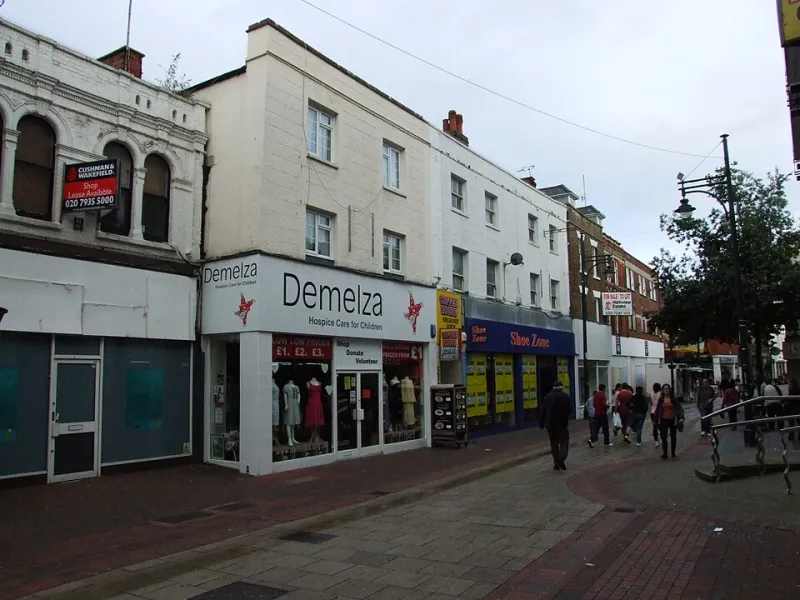
Photo: Chris Whippet , CC BY-SA 2.0, via Wikimedia Commons
There is a particular sound to a radio in a record shop. It is not the same as a radio in a kitchen, or a car, or a workshop with the extractor fan on. The songs might be the same. The station is the same. But the room changes it.
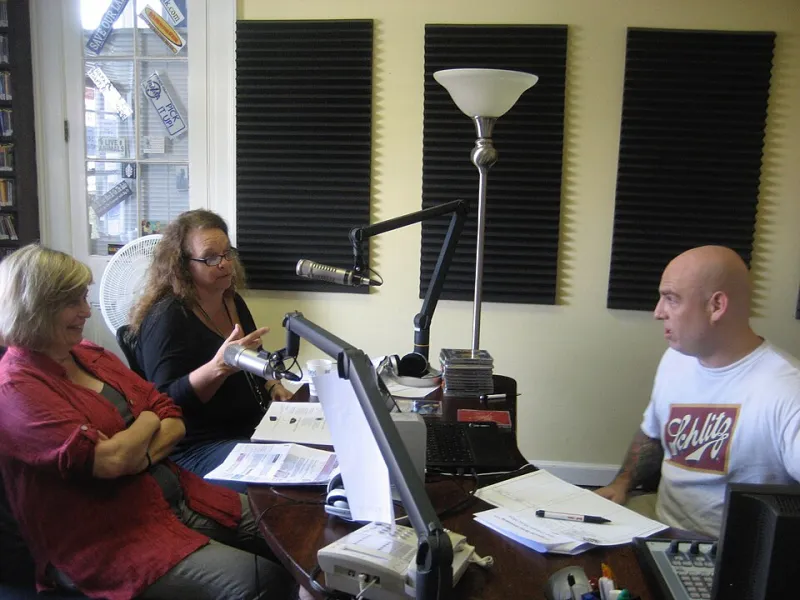
That is the starting point for the 6 Music high street test. Not a listener survey with a clipboard and a laminated map. More of a road trip through the places where the station actually lands: the bus stop, the back room, the late shift, the small venue with a sticky floor and a sound engineer who knows everyone.
Because 6 Music is a national station, but it is not a London station. Or at least, it should not be. The campaign to keep it loud, live and on air is not just about protecting a frequency. It is about protecting the idea that alternative radio belongs to Sheffield as much as Shoreditch, to Swansea as much as Soho, to Stoke as much as anywhere inside the North Circular.
Sheffield: steel, synths and the shop counter
Start in Sheffield. A city that has always made things — steel, music, arguments about whether the tram is better than the bus. In a record shop near Division Street, the radio is on low, almost as a dare. You have to lean in. A customer asks what is playing. The person behind the counter does not know the name of the band, but knows the presenter, knows the programme, knows the rough time it went out. That is a different kind of knowledge. It is not Shazam. It is radio literacy.
Later, on a bus up towards Hillsborough, a listener tells us they put 6 Music on when they need to reset their brain after a shift. Not for background. For company. The station is the thing that says: right, here is something you have not heard before, and here is another, and here is a voice that is not trying to sell you anything.
Sheffield's local music scene is not short of champions. But a national station can do something local scenes cannot always do for themselves: it can make the local feel national without flattening it. It can play a band from a Sheffield back room next to a band from Berlin and make the connection feel obvious rather than exotic. That is curation. That is the point.
Swansea: the kitchen radio and the away day
Head west. In Swansea, the radio lives in the kitchen. A listener in Uplands tells us the station soundtracks the making of dinner, the drying of dishes, the sorting out of the week. It is not a special-occasion thing. It is the texture of ordinary life. And when the football is on, or the rugby is on, or the town is having one of those days, the radio stays on because it is part of the household rhythm.
There is a lovely Swansea story about a car journey to an away game where the pre-match build-up on one station and the music on another became a small family negotiation. 6 Music won for the drive home. Not because it was ignoring the football, but because it was not pretending the whole world revolved around it. There is room for both. That is what a good national station does. It does not demand your entire attention. It earns the attention you have spare.
In a small venue near the marina, the promoter says the station is useful not just for discovery but for legitimacy. If a band gets played on 6 Music, it means something to the people who book the rooms. It is a signal. Not a guarantee of a crowd, but a nod that says someone outside the city has noticed. For a scene that sometimes feels overlooked by the big industry machines, that nod matters.
Stoke: workshops, oatcakes and the late shift
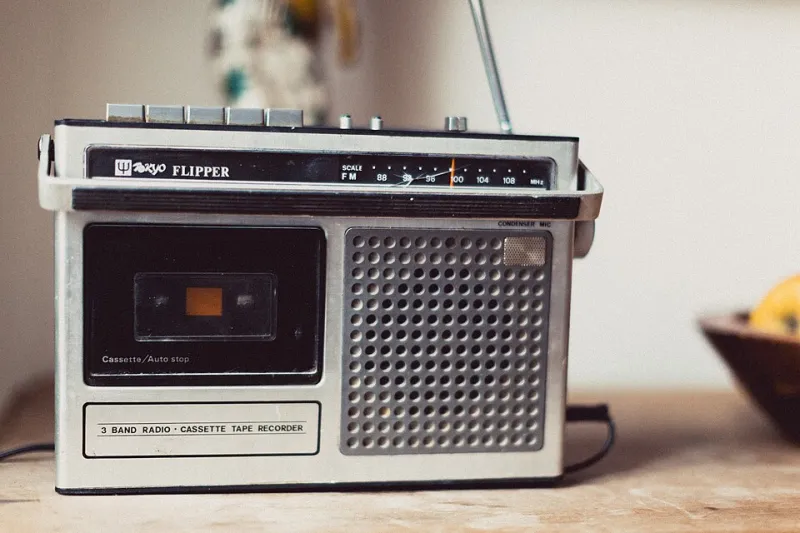
Up to Stoke-on-Trent. The high street test here is not about trendy record shops, though there are good ones. It is about the workshop radio in Burslem, the one with the dial held together by tape. It is about the late shift, when the station keeps you going until the light comes back. It is about a city that knows a thing or two about making things that last and being told it does not matter any more.
A listener in Stoke says 6 Music is the only station that does not make them feel like they are living in the wrong place. That is a big claim, but you can see what they mean. National culture often arrives in the provinces already filtered through a London lens. The references are different. The pace is different. The assumptions are different. A station that plays what it likes, when it likes, and trusts the audience to come with it feels less like it is talking down and more like it is talking across.
There is also the simple fact of the local record shop. In Stoke, as in Sheffield and Swansea, the shop is not just a shop. It is a meeting point, a noticeboard, a place where someone behind the counter can say, if you like that, try this. 6 Music does the same thing at scale. It is a national record shop counter. It is a conversation you can join wherever you are.
The high street test
So what does the high street test actually tell us? It tells us that a national station is not experienced nationally. It is experienced locally. The same song can mean something different on a bus in Sheffield than it does in a kitchen in Swansea or a workshop in Stoke. That is not a bug. It is the whole point.
It also tells us that the campaign to save 6 Music cannot be run only from London. The station needs listeners in every part of the UK to make the case. Not because London does not matter, but because the station's value is distributed. It is in the local record shop. The small venue. The late shift. The kitchen radio. The bus. The workshop. The places where the signal becomes part of the furniture.
And it tells us something about ownership. A national station belongs to everyone who pays for it and listens to it. That means it should sound like it belongs to everyone, not just the people who get to pop into the studio. Regional pride is not a marketing angle. It is a form of accountability. If 6 Music sounds different in Sheffield, Swansea and Stoke, that is because it is doing its job. It is meeting people where they are.
A station that belongs to everywhere
The high street test is not a pass or fail. It is a reminder. Alternative radio is not a luxury for the capital. It is a public good that travels. It turns up in the places where culture is made and lived, not just consumed and streamed.
So keep it loud. Keep it live. Keep it on air. And keep it local, even when it is national. The next time you hear a song you would never have found on your own, remember where you were standing. Remember the room. Remember the high street. That is what we are fighting for.